

How to Minimise Wrinkles in Cotton Sheets
Updated July 2026
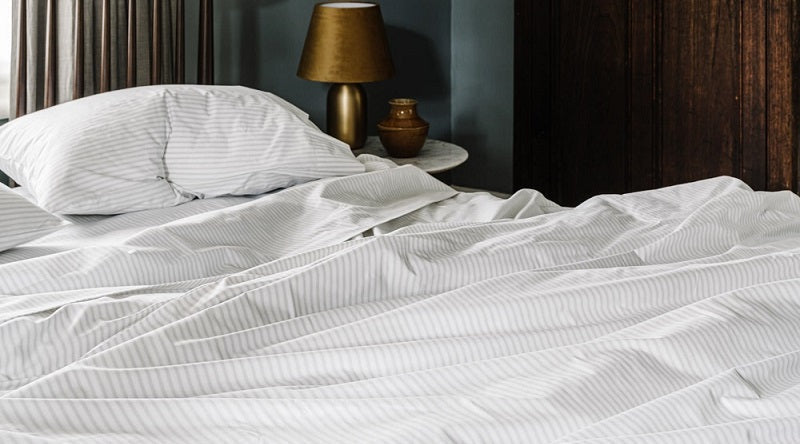
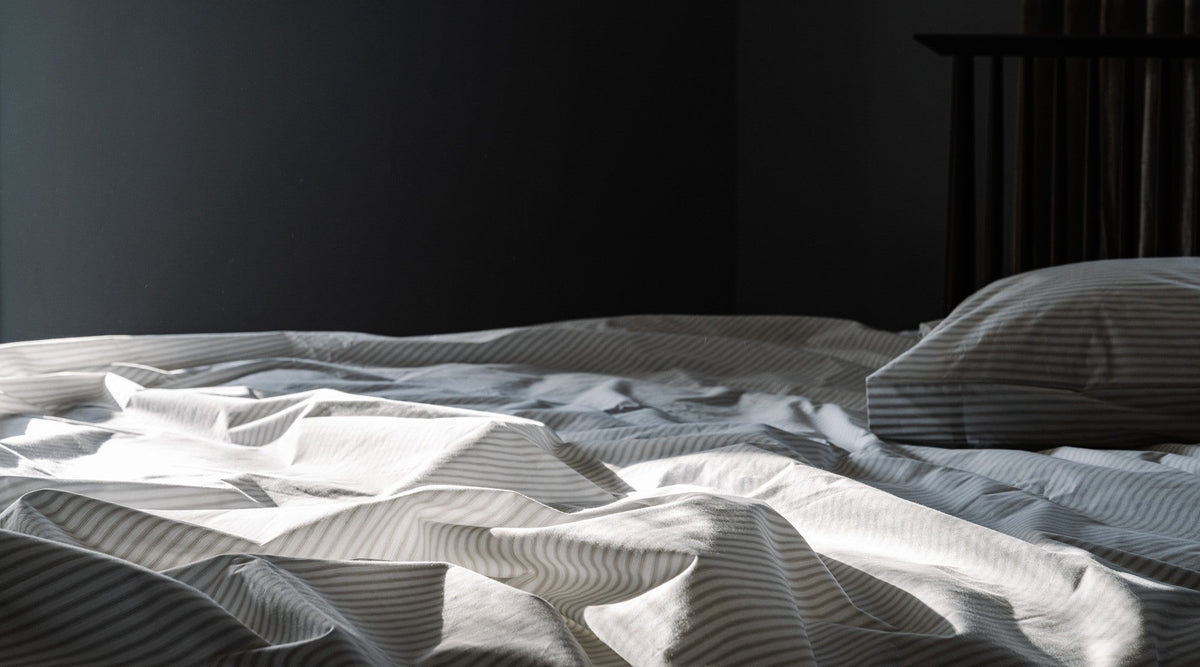
Pure cotton sheets wrinkle. That's just a fact and not a defect - it's a property of the fibre. Cotton is a cellulose-based natural fibre that absorbs moisture readily, which is part of what makes it breathable and comfortable to sleep in - and what makes it crease. The science behind it is this: water and heat make the fibres swell and soften by breaking the hydrogen bonds within them and this allows them to become more flexible. When compressed or tangled in the wash or dryer, the fabric folds and those folds lock in as the fabric dries.
Synthetic fibres like polyester don't absorb moisture the same way, which is why polyester or polycotton sheets tend to wrinkle less - but also why they sleep hotter and feel different against skin.
But what about those wrinkle-free cotton sheets? They do exist - but they're almost always either sateen weave (which wrinkles less due to its structure), chemically treated with wrinkle-resistant finishes (typically formaldehyde-based resins), or blended with synthetic fibres. If none of those are what you want, some degree of wrinkling comes with the territory.
The good news: it gets better. Long-staple cotton fibres are initially a little stiff, and the weave structure is tight and crisp when new. With repeated washing and use, the fibres soften and relax - and the sheets become noticeably less prone to wrinkling over time. They won't stop entirely, but the difference between a new set and one that's been washed a dozen times is noticeable.
In the meantime, there are a few things you can do to minimise the wrinkling.
Prevention
The easiest wrinkles to deal with are ones you don't create in the first place.
Don't overload the machine or dryer.
Sheets crowded into too small a space come out creased. A practical option is a maximum of one sheet set at a time.
Untangle before washing.
Sheets that go in twisted come out more wrinkled.
Use low temperatures.
High heat sets creases into cotton fibres. Low wash and dry temperatures reduce wrinkling and extend fabric life.
Don't leave them sitting wet.
A wet sheet left in a heap is a creased sheet. Remove promptly and dry immediately.
Moderate spin speed.
A very high spin speed wrings more water out (good for drying time) but also compresses the fabric harder (bad for wrinkles). Compromise with a moderate spin speed.
Drying
How you dry your sheets makes the biggest difference to how wrinkled they end up.
Line drying
This is the best option when possible. Hanging sheets flat lets gravity do most of the work - the weight of the water pulls the fabric smooth as it dries. There's also nothing quite like the feel and smell of line-dried cotton, which is reason enough on its own, wrinkles or not!
Tumble drying on low heat
The practical alternative. The key is to remove the sheets while they're still slightly damp - not fully dry - and either put them straight on the bed or hang them to finish. Sheets that come out of the dryer completely dry have been in there too long and will be more creased. If you've overdone it, throw a damp facewasher in with the sheets and run the dryer for a few more minutes. The steam helps.
Either way, timing matters. Sheets left in a crumpled heap (wet or dry) will set in creases that are much harder to shift.
Already wrinkled?
Steam
The most effective method without an iron. A clothes steamer, held a few centimetres from the fabric, relaxes the fibres quickly and efficiently. Fold the sheet once or twice so it hangs flat, run the steamer wand over it, and the creases will release within minutes. It's faster than ironing a large sheet and gentler on the fabric.
Spray and smooth
Works if you don't have a steamer. Put the fitted sheet on the bed, pull it taut, and mist the whole surface lightly, including the sides, with a spray bottle - the goal is damp, not soaked so don’t overdo it. Smooth the creases firmly by hand and leave it to dry. It won't be as effective as steam but makes a noticeable difference, especially on a sheet that's already under some tension.
A ‘hot’ tip
Use the hot towel trick: put freshly washed, still-wet towels in the dryer for ten minutes, then lay them hot and steaming over the made bed for a few minutes. Give the bedding a shake and the steam does the work. Sounds odd, works surprisingly well.
On ironing
If the wrinkles genuinely bother you, ironing is the only complete answer. It's the method that produces the smoothest result - and it's the main reason hotel sheets feel the way they do. Commercial laundries iron or press sheets as a matter of course, which is part of what gives hotel bedding that crisp, flat finish that's hard to replicate at home.
The science behind it: as you already know, the heat loosens the bonds between cotton fibres - and then the iron pressure realigns them flat. As the fabric cools, the bonds reform in the new position and the sheet stays smooth. Iron cotton on a high heat setting with steam, ideally while the sheet is still slightly damp from washing - that's when the fibres have softened and are most flexible.
Whether it's worth the effort is a personal call. For everyday use, most people find the spray, steam, or dryer methods good enough. For guest beds or if you genuinely want that hotel finish, a quick iron will give you that perfectly pressed look.
The honest take
Cotton percale wrinkles. The same tight plain weave that gives it the crisp feel, breathability and structure is what makes it crease. It's one of those things where you either learn to live with it (and maybe try our tips to minimise it) - or you iron. For most people who choose percale, the comfort and durability are worth the trade-off. For more tips on how to properly care for your bedding, head to our Care Guide.
Shop our Heavyweight Percale Bedding.